


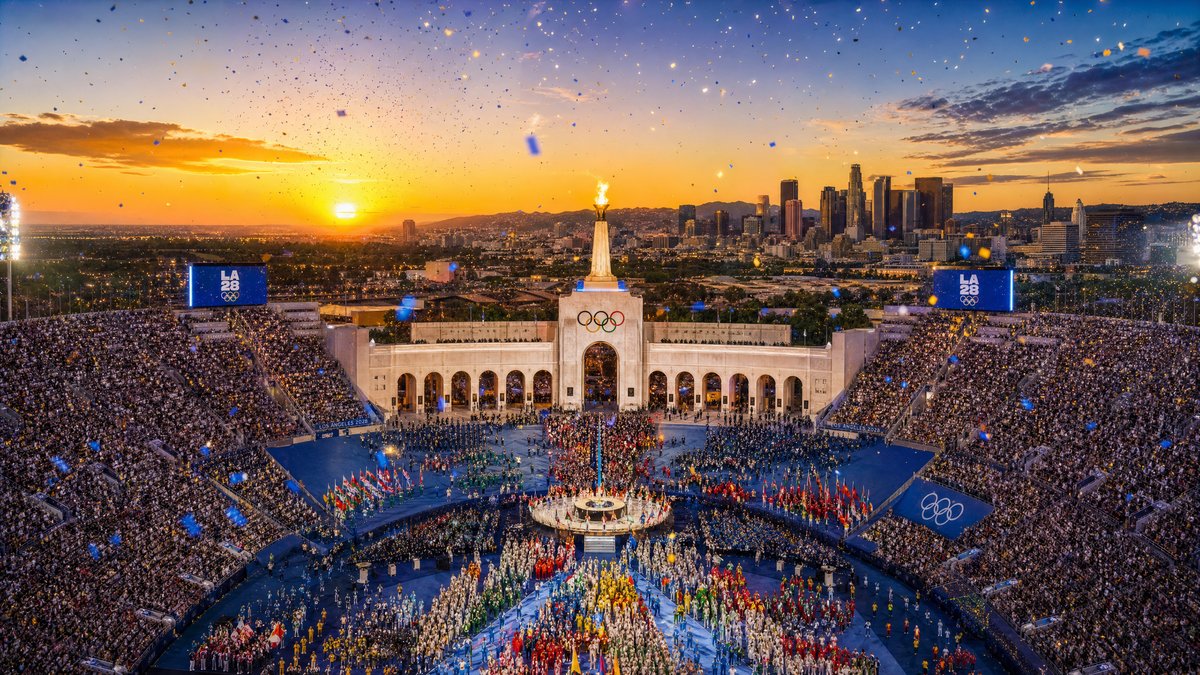
The countdown to the 2028 Summer Olympic Games in Los Angeles is officially ticking louder. With just over two years until the opening ceremony on July 14, 2028, the landscape of the LA28 Games is rapidly taking shape. From the expansion of the Olympic Q-Series to the frantic rush for early ticket access, the momentum behind the third Los Angeles Olympics is undeniable. This week, we dive into the most critical updates surrounding the preparations, the athletes gearing up for glory, and what locals need to know as the world prepares to descend upon Southern California.
The Olympic Q-Series Expands: A Global Road to LA28
One of the most exciting developments on the road to the LA28 Games is the official expansion of the Olympic Q-Series. Building on the massive success of the inaugural qualifier series in 2024, the International Olympic Committee (IOC) recently announced that the 2028 edition will span four major global cities: Tokyo, Shanghai, Montreal, and Orlando.
This multi-stop, festival-style urban sports showcase will take place between May and June 2028, serving as the ultimate proving ground for athletes in six dynamic disciplines: 3×3 basketball, beach volleyball, BMX freestyle, sport climbing, flag football, and skateboarding. The inclusion of flag football is particularly noteworthy, as the sport prepares to make its highly anticipated Olympic debut in Los Angeles.
The series will kick off in Tokyo (May 4-7, 2028), the city where BMX freestyle, climbing, and skateboarding first entered the Olympic arena. It will then move to Shanghai (May 11-14) before crossing the Pacific to Montreal (June 1-4). The journey culminates in Orlando (June 8-11), drawing athletes and fans to the East Coast of the United States for the final, decisive battles for Olympic quota spots.
“The Q-Series is an exciting global event on the road to the LA28 Olympic Games,” stated IOC President Kirsty Coventry. “It’s one format, four stops, six sports. The goal is to boost athlete visibility and global fan engagement.” This innovative approach not only highlights the youth-focused evolution of the Olympic program but also builds palpable excitement in the months leading directly into the LA28 Games.
New Sports and Returning Classics
The Los Angeles 2028 Olympics will feature a staggering 351 medal events across 36 sports, making it the largest Olympic program in history. While traditional powerhouses like track and field and swimming remain central, LA28 is injecting fresh energy into the lineup.
Flag football and squash will make their historic Olympic debuts. Flag football, a fast-paced, non-contact variant of American football, will host six-team men’s and women’s tournaments at Exposition Park Stadium. Squash will bring its intense, high-speed singles action to the Comcast Squash Center at Universal Studios.
Equally thrilling is the return of sports that have long been absent from the Olympic stage. Lacrosse returns for the first time since 1908, while cricket makes a monumental comeback after a 126-year hiatus. Cricket’s six-team tournaments will be held at the Fairgrounds Cricket Stadium in Pomona, reflecting the sport’s massive global appeal and growing footprint in the United States. Baseball and softball will also return to the fold after sitting out the Paris 2024 Games, with Dodger Stadium set to host the baseball tournament.
Even established sports are seeing exciting updates. Swimming will add the 50m backstroke, breaststroke, and butterfly events. Track and field will introduce the mixed 4x100m relay, and artistic gymnastics will debut a mixed team event. These additions ensure that the LA28 schedule will offer unprecedented variety and thrilling new dynamics for spectators.
Venue Preparations and the Budget Battle
A defining characteristic of the LA28 plan is its commitment to sustainability and cost-effectiveness. The organizing committee is relying entirely on the region’s existing, world-class stadiums and arenas, avoiding the construction of any new permanent venues specifically for the Games. This “no new build” philosophy leverages iconic sites like the Los Angeles Memorial Coliseum, which will become the first stadium in history to host events in three separate Olympic Games (1932, 1984, and 2028).
However, “existing” does not mean “untouched.” Significant investments are being made to upgrade these historic facilities. Exposition Park, a central hub that includes the Coliseum and BMO Stadium, is currently seeking a massive $240.5 million funding request to prepare the grounds for the influx of global visitors. These upgrades are crucial for ensuring the infrastructure can handle the immense logistical demands of the Games.
Yet, these preparations face potential political hurdles. A public initiative advancing to the November 2026 ballot seeks to repeal the City of Los Angeles’ business tax. City officials, including Chief Administrative Officer Matthew Szabo, have warned that repealing this tax — which generates hundreds of millions in revenue — would create an “unprecedented fiscal vacuum.” Szabo explicitly cautioned that such a move would put the city’s Olympic preparedness efforts in “severe jeopardy,” potentially forcing a reevaluation of the entire operational plan. This political battle will be a critical storyline to watch as the city navigates the financial realities of hosting the world.
The Ticket Rush: Securing Your Spot
For sports fans, the most pressing question is: How do I get tickets? The demand for LA28 is already proving to be astronomical. The initial presale in April 2026, which was exclusive to residents of Greater Los Angeles and Oklahoma City (hosting softball and canoe slalom), saw a massive rush. According to LA28 officials, 95% of tickets priced under $100 were snapped up quickly.
For those who missed out, the window for the next major ticket drop is closing fast. Fans must register at the official ticketing portal by July 22, 2026, to enter a random draw for access to “Drop 2,” which opens in August. Registration is mandatory; without it, you cannot participate in the draw. Selected fans will receive an email with a designated time slot to purchase tickets.
While some early buyers expressed sticker shock at premium seating prices, LA28 CEO Reynold Hoover emphasized the accessibility of the Games. Organizers state that nearly half of all tickets will be priced under $200, and more than 1 million tickets will be available for just $28. Premium seats — representing about 5% of the inventory — will exceed $1,000. For locals hoping to witness history without breaking the bank, registering before the July deadline is absolutely essential.
Athletes to Watch: The Preparation Intensifies
While the infrastructure and logistics are finalized, the athletes are already deep into their grueling preparation cycles. The road to LA28 is paved with relentless training and strategic career moves.
Take, for example, British swimming superstar Adam Peaty. The three-time Olympic champion recently announced he is relocating his training base back to London specifically to prepare for the Los Angeles Games. Peaty is aiming for a historic fourth consecutive Olympic medal in his signature breaststroke events, demonstrating the intense, long-term focus required to compete at the highest level.
For Team USA, the qualification pathways are beginning to crystallize. The expansion of the Q-Series provides a clear, high-stakes route for urban sports athletes. Meanwhile, traditional Olympic trials will dominate the sporting calendar in 2027 and early 2028. As we move closer to the Games, we will be providing weekly updates on the rising stars and established veterans vying to represent the host nation on home soil.
Looking Ahead: The Weekly LA28 Pulse
The Los Angeles 2028 Olympic Games represent more than just a sporting event; they are a transformative moment for the city and a showcase of global athletic excellence. From the unprecedented dual-stadium opening ceremony at the Coliseum and SoFi Stadium to the innovative inclusion of new sports, LA28 is poised to redefine the Olympic experience.
As the preparations accelerate, staying informed is vital. Be sure to check back here every week for our comprehensive LA28 updates, covering everything from venue construction progress and ticketing strategies to athlete profiles and breaking news. We are committed to bringing you the most accurate and engaging coverage as the City of Angels prepares to welcome the world.
For more incredible sports content and deep dives into the local athletic scene, don’t forget to check out our YouTube channel and tune in to our show, LA Sparks Weekly, where we break down the latest in Los Angeles sports with passion and expertise.
