


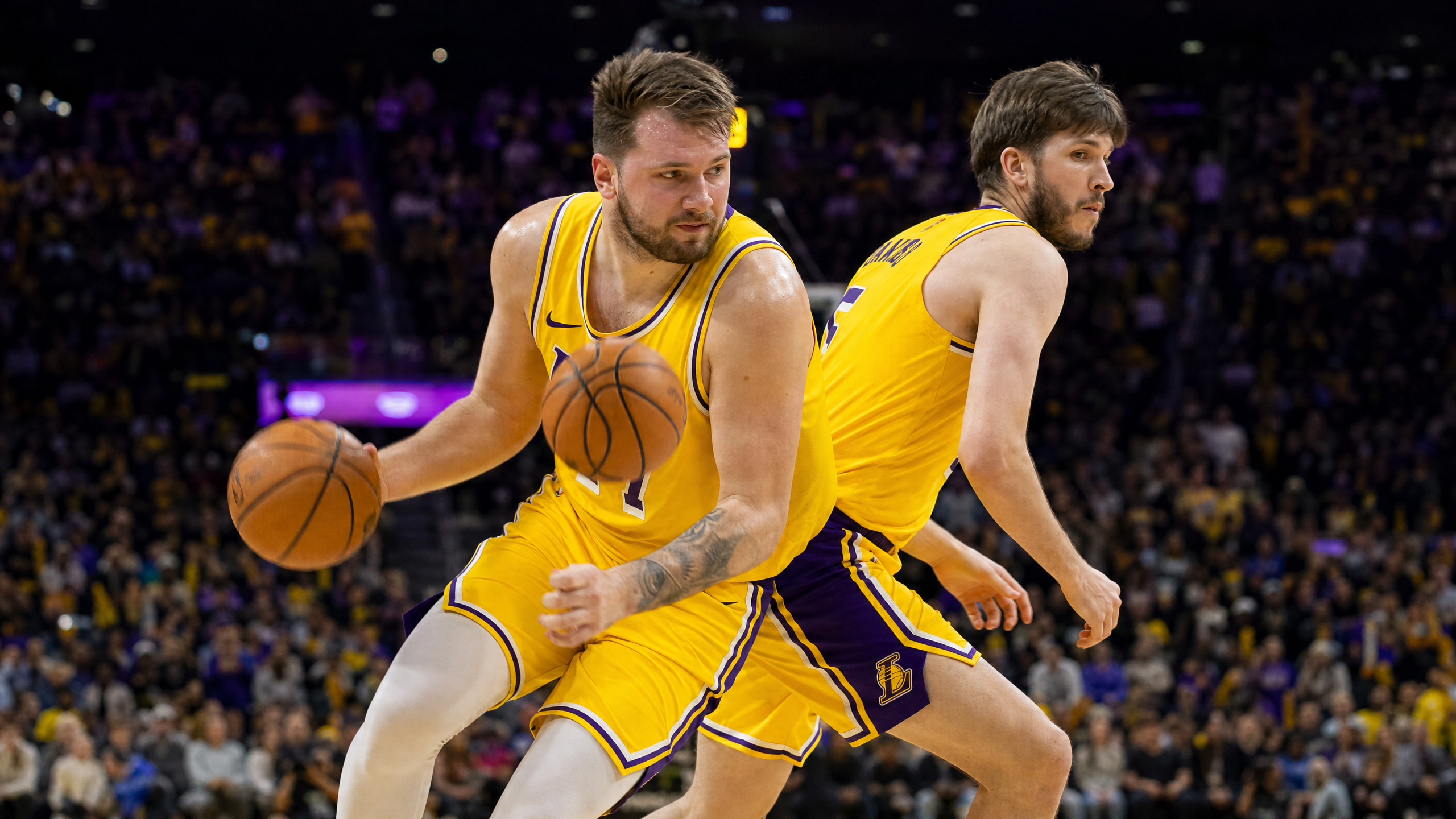
The Los Angeles Lakers are entering what might be the most consequential offseason in recent franchise history. Following a disappointing second-round playoff exit at the hands of the Oklahoma City Thunder in a four-game sweep, the front office faces immense pressure to restructure the roster. The objective is clear: maximize the championship window for their superstar guard, Luka Dončić, while navigating the complex realities of an aging LeBron James and the impending free agency of key rotation players like Austin Reaves. The Lakers are no longer in a position to stand pat; significant changes are required if they hope to compete with the rising powers in the Western Conference, namely the Thunder and the newly crowned 2026 NBA Champion New York Knicks.
This offseason is characterized by a delicate balancing act. The front office must address glaring roster deficiencies—specifically, the need for a rim-protecting center, reliable backup playmaking, and improved perimeter defense—while managing a complicated salary cap situation. The expectations among the fanbase are sky-high, fueled by rumors of blockbuster trades and high-profile free-agent signings. However, the harsh reality of the NBA’s collective bargaining agreement and the competitive landscape may force the Lakers into a more measured, strategic approach. This article delves into the key storylines, potential targets, and critical decisions that will define the Los Angeles Lakers’ 2026 offseason.
The Dončić Mandate: Prioritizing Fit and Function
Since arriving in Los Angeles, Luka Dončić has solidified his status as the cornerstone of the franchise. After a phenomenal 2025-2026 campaign where he averaged a league-leading 33.5 points, 7.7 rebounds, and 8.3 assists per game, the organization’s primary directive is to surround him with complementary talent. The playoff loss to the Thunder starkly highlighted the roster’s current shortcomings, particularly when Dončić was forced to miss time due to a hamstring strain. The offense stagnated, and the defense lacked the necessary anchor to deter penetration.
To optimize Dončić’s generational playmaking and scoring ability, the Lakers need specific archetypes. First and foremost, they require a modern, rim-protecting center who can either space the floor or serve as a dynamic lob threat in the pick-and-roll. This would allow Dončić to operate with more space and alleviate the defensive burden on the perimeter players. Secondly, the team desperately needs a capable secondary ball-handler. When Dončić rests, the offense cannot afford to collapse. A steady backup point guard who can initiate the offense, limit turnovers, and create for others is essential for a deep playoff run.
The front office’s strategy must pivot from acquiring big names for the sake of star power to identifying players who specifically enhance Dončić’s strengths and mask his weaknesses. This means prioritizing defensive versatility, shooting gravity, and basketball IQ over sheer individual scoring ability. The success of the offseason will be judged entirely on how well the new acquisitions fit alongside the Slovenian maestro.
The LeBron James Enigma: Retirement, Return, or Relocation?
Looming over the entire offseason is the uncertain future of LeBron James. At 41 years old, James remains an unprecedented force, but his status for the 2026-2027 season is shrouded in mystery. Following the playoff elimination, rumors have swirled regarding his potential retirement, a return to the Lakers, or even a departure to join another contender, with teams like the Cleveland Cavaliers and Golden State Warriors frequently mentioned as potential suitors.
If James decides to return to Los Angeles, the financial implications are significant. The Lakers hold his Bird rights, allowing them to exceed the salary cap to re-sign him. However, reports suggest that James and his representation may seek a substantial multi-year contract. Accommodating such a deal while simultaneously upgrading the roster around Dončić will require masterful salary cap gymnastics by the front office. A massive contract for James could limit the team’s flexibility to pursue top-tier free agents or execute lopsided trades.
Conversely, if James departs or retires, the Lakers’ landscape changes dramatically. While they would lose an iconic leader and still-potent offensive weapon, his departure would free up significant cap space and potentially allow the team to aggressively pursue other stars or high-level role players. The organization must be prepared for all contingencies, as James’s decision is the domino that will trigger the rest of their offseason maneuvers. The transition from the LeBron James era to the undisputed Luka Dončić era must be handled with precision, ensuring the team remains competitive during the shift.
Navigating the Trade Market: Targets to Bolster the Frontcourt
Recognizing the need for a roster overhaul, the Lakers are expected to be active in the trade market. The primary focus is on upgrading the center position, moving away from the inconsistent production of players like Deandre Ayton, whose future with the team is uncertain due to a player option. Several intriguing targets have emerged, each offering a different skill set to complement Dončić.
One prominent name is Myles Turner of the Milwaukee Bucks. Turner represents the ideal modern center archetype: a formidable rim protector who can also stretch the floor with his three-point shooting. His ability to hit from beyond the arc would pull opposing big men out of the paint, creating driving lanes for Dončić. While acquiring Turner would likely require parting with Ayton and other assets, his fit alongside Dončić is theoretically perfect.
Another compelling option is Walker Kessler of the Utah Jazz. Kessler is a traditional, elite shot-blocker and rebounder. While he lacks Turner’s shooting range, his defensive presence would completely transform the Lakers’ interior defense. Acquiring Kessler would likely involve a sign-and-trade scenario, demanding a significant financial commitment and the sacrifice of draft capital and young talent like Dalton Knecht or Jarred Vanderbilt. The decision between a floor-spacing big like Turner and a defensive anchor like Kessler will dictate the team’s strategic identity next season.
The Austin Reaves Dilemma: Securing the Secondary Core
While the focus is understandably on Dončić and James, the Lakers face a critical decision regarding Austin Reaves. Reaves has developed into a vital piece of the rotation, providing secondary scoring, playmaking, and steady perimeter defense. He is expected to opt out of his current contract and test unrestricted free agency, where he will command a substantial payday.
The Lakers’ ability to retain Reaves is complicated by the collective bargaining agreement. While they can offer him a significant extension, reports indicate that teams with cap space, such as the Brooklyn Nets, are prepared to offer him a massive four-year, $178 million contract, or even a max deal exceeding $230 million over five years. The Lakers must determine how much of their financial future they are willing to commit to Reaves.
Losing Reaves would be a significant blow to the team’s depth and continuity. He has proven to be a reliable performer in high-pressure situations and has developed strong chemistry with Dončić. However, matching a massive offer sheet from a rival team could severely restrict the Lakers’ ability to address other pressing needs, such as acquiring a starting-caliber center or a backup point guard. The front office must carefully weigh Reaves’s value against the broader goal of building a championship-contending roster.
Managing Expectations: The Possibility of a ‘Status Quo’ Summer
Despite the widespread anticipation of a blockbuster offseason, there is a distinct possibility that the Lakers’ summer may be less dramatic than fans hope. The constraints of the salary cap, the complexities of the new collective bargaining agreement, and the potential lack of appealing trade partners could force the organization into a more conservative approach.
If top targets like Giannis Antetokounmpo (who is heavily linked to the Miami Heat) or Myles Turner prove unattainable, the Lakers may have to settle for incremental upgrades rather than a complete roster overhaul. This could involve re-signing their own free agents, such as Reaves and Rui Hachimura, and utilizing exceptions to add veteran role players. While this “status quo” approach might frustrate a fanbase hungry for immediate championship contention, it may be the most prudent path if the right deals fail to materialize.
The front office must avoid making desperate, short-sighted moves simply to appease public pressure. Overpaying for ill-fitting free agents or sacrificing valuable draft capital for marginal upgrades could mortgage the team’s future and hinder their ability to build a sustainable contender around Dončić. Patience and strategic discipline will be crucial as the Lakers navigate the turbulent waters of the 2026 NBA offseason. The goal is not just to win the offseason news cycle, but to construct a roster capable of bringing another championship banner to Los Angeles.
Conclusion: A Defining Moment for the Franchise
The 2026 offseason represents a critical juncture for the Los Angeles Lakers. The decisions made in the coming weeks will shape the franchise’s trajectory for years to come. The mandate is clear: surround Luka Dončić with the talent necessary to compete at the highest level. However, achieving this goal requires navigating the complex situations surrounding LeBron James, Austin Reaves, and a challenging trade market.
Whether they execute blockbuster trades, make splashy free-agent signings, or opt for a more measured approach, the front office’s actions will be heavily scrutinized. The pressure to return to championship contention is immense, and the margin for error is razor-thin. As the NBA landscape continues to evolve, the Lakers must adapt and build a roster that is not only talented but also cohesive and resilient. The path forward is fraught with challenges, but the opportunity to construct a perennial contender around one of the league’s brightest stars is within reach. For the latest Lakers news and analysis, be sure to check out our Lakers coverage hub and our ongoing NBA offseason tracker.
