


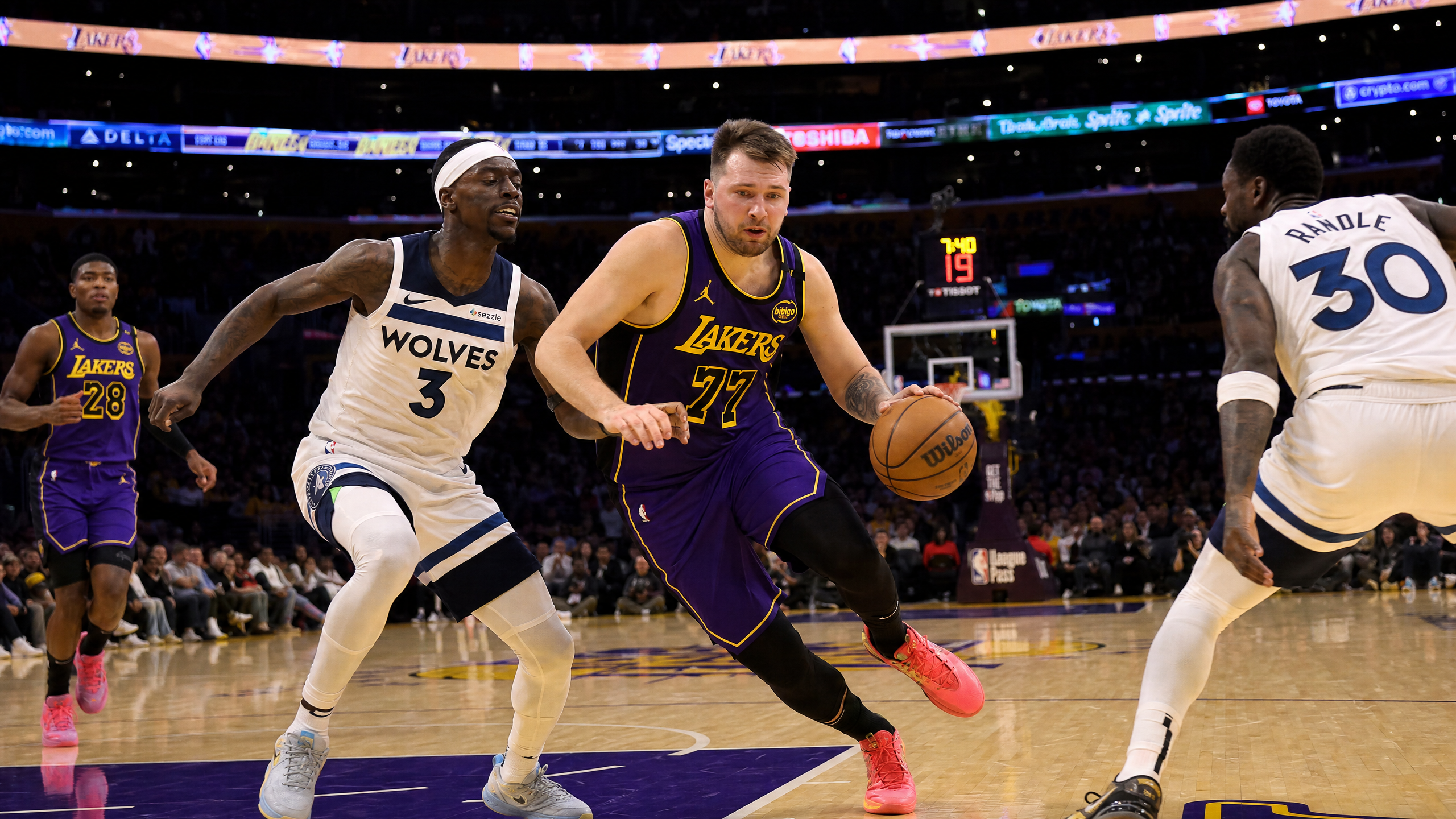
The dust has settled on the 2025-26 NBA season for the Los Angeles Lakers, and the silence inside the Crypto.com Arena is deafening. Following a crushing 4-0 sweep at the hands of the Oklahoma City Thunder in the Western Conference Semifinals, the purple and gold find themselves at a profound inflection point. This isn’t merely an offseason of tweaking the edges; it’s a summer that could redefine the franchise’s trajectory for the next half-decade. With LeBron James pondering his future, Luka Doncic recovering from a devastating injury, and general manager Rob Pelinka emphasizing “optionality,” the Los Angeles Lakers are facing a complex puzzle with championship stakes.
The Los Angeles Lakers’ elimination on May 11 was a bitter pill to swallow, especially considering the optimism that permeated the early part of the season. The integration of Luka Doncic into the Lakers’ ecosystem alongside LeBron James and Austin Reaves created a formidable trio that struck fear into opponents. However, the grueling 82-game schedule and the unforgiving nature of the playoffs exposed underlying vulnerabilities that the front office must now address with urgency.
The Luka Doncic Injury Fallout
The turning point of the Los Angeles Lakers’ season undeniably occurred on April 2, when Luka Doncic suffered a severe hamstring strain. Doncic, who had an MVP-caliber regular season averaging a league-leading 33.5 points per game, was the engine driving the Lakers’ offense. His absence left a gaping void that neither James nor Reaves could fully fill against a deep and relentless Thunder squad.
Doncic’s post-elimination admission that he “wasn’t close to clearing” highlights the severity of the injury and the prudence of the medical staff’s decision to hold him out. Rushing him back at 80% could have jeopardized his long-term health and the Lakers’ future championship aspirations. However, his absence starkly illuminated the team’s glaring lack of functional depth. Head coach JJ Redick astutely pointed out that championship-contending teams like the Thunder and the San Antonio Spurs possess 13 high-level rotation players, whereas the Lakers’ bench production ranked near the bottom of the league.
The priority now is ensuring Doncic’s full recovery and tailoring the roster to maximize his unique skill set. Pelinka has stated that the archetype of the roster will be retrofitted around Doncic, prioritizing athletic wings, perimeter defenders, and a rim-running center who can thrive in the pick-and-roll with the Slovenian maestro. For more Lakers analysis and content, be sure to check out our YouTube channel and our show LA Sparks Weekly for all the latest from Los Angeles sports.
LeBron James: The Ultimate Free Agency Domino
Hanging over every decision the Los Angeles Lakers make this summer is the towering presence of LeBron James. At 41 years old, James remains an elite performer, defying the aging process with remarkable consistency. Despite taking a slight step back in scoring average (20.9 points per game) to accommodate Doncic, James’ playmaking (7.2 assists) and rebounding (6.1) were vital. His heroics in the first-round triumph over the Houston Rockets, achieved without Doncic and with a hobbled Reaves, underscored his enduring greatness.
Now, James enters unrestricted free agency, presenting the Lakers with a monumental challenge. While a return to Los Angeles seems plausible, it is far from guaranteed. Reports suggest that James is weighing his options carefully, with retirement or a move to a team offering a clearer path to a championship—or the opportunity to play alongside his son, Bronny—all on the table. Teams like the Golden State Warriors, Cleveland Cavaliers, New York Knicks, and Los Angeles Clippers have been mentioned as potential suitors, though all face significant financial hurdles.
Retaining James is undoubtedly a priority for the Lakers, but it comes with significant financial implications. The new collective bargaining agreement imposes harsh penalties on teams exceeding the second apron, limiting their ability to make roster upgrades. Pelinka must navigate this financial minefield, balancing the desire to keep James with the necessity of building a deeper, more balanced roster around Doncic.
Austin Reaves and the Quest for Depth
The third pillar of the Los Angeles Lakers’ core, Austin Reaves, is also entering free agency, adding another layer of complexity to the offseason. Reaves has developed into a reliable secondary creator and a fan favorite, but his market value has skyrocketed. Retaining both James and Reaves would consume a massive portion of the salary cap, potentially hamstringing the front office’s ability to address the team’s glaring needs.
JJ Redick’s emphasis on building quality depth “in the roster spots 10-15” cannot be overstated. The Lakers’ reliance on a top-heavy roster proved fatal against the Thunder. To compete in the loaded Western Conference, they must acquire versatile two-way players who can contribute consistently. This means exploring all avenues: the draft, trades, and savvy free-agent signings.
The Lakers hold the 25th pick in the upcoming NBA Draft, providing an opportunity to inject youth and athleticism into the roster. Furthermore, they have tradeable assets, including future draft picks and players like Rui Hachimura and Marcus Smart, who could be leveraged to acquire established rotation pieces. Smart, who has the option to opt out of his deal, is someone the Lakers are reportedly keen to retain.
Rob Pelinka’s Strategy of “Optionality”
Rob Pelinka has emphasized the concept of “optionality” heading into the summer. This approach suggests a willingness to explore multiple paths to improve the roster, rather than locking into a single strategy. The front office is acutely aware that the current construction is insufficient to win a championship, and significant changes are necessary.
“It’s a full rebuild and retool,” Pelinka stated, signaling a proactive and aggressive offseason. “It’s adding to the great things that are already here, which have led to success, but elevating it and bringing it to the next level.” He also noted that the Lakers plan to hire two new assistant general managers focusing on pro scouting, player development, analytics, and salary cap management — a clear commitment to modernizing the organization’s infrastructure.
Under new majority owner Mark Walter, the Lakers have already undergone significant front office restructuring. The organization is also relocating its G League affiliate from South Bay to the Coachella Valley, freeing up space in El Segundo for new state-of-the-art biomechanics and recovery labs developed in consultation with the Dodgers. These investments signal a franchise committed to long-term excellence.
Looking Ahead: The Path Back to Contention
The Los Angeles Lakers are at a crossroads. The decisions made in the coming months will dictate whether they can capitalize on the remaining window of LeBron James’ career and maximize the prime years of Luka Doncic. The to-do list is daunting: secure James’ return (or pivot gracefully if he departs), retain Reaves on a reasonable contract, overhaul the bench to provide legitimate depth, and surround Doncic with complementary pieces.
The sweep by the Thunder was a harsh reality check, exposing the flaws in the Lakers’ top-heavy approach. However, it also provided a clear blueprint for what needs to change. If Pelinka and the front office can execute their vision of “optionality” and surround their stars with the necessary depth and athleticism, the Los Angeles Lakers can quickly re-emerge as legitimate championship contenders. The silence in the arena is temporary; the real work begins now. The Los Angeles Lakers have the foundation — they just need to build the right house around it.
